The Ultimate Guide to Grease Trap Cleaning for Commercial Characteristics and Busy Kitchens
Business Name: Elite Sanitation Services
Address: Saucier, MS 39574
Phone: (228) 297-4850
Elite Sanitation Services
Since 2016, Elite Sanitation Services has been the premier provider for all your sanitation needs. We deliver comprehensive solutions. Our expert team ensures seamless service for events and construction sites, handling everything from septic system services to grease trap pump-outs and jetting services. We are dedicated to providing superior sanitation services with unmatched reliability and professionalism.
Saucier, MS 39574
Business Hours
A packed brunch shift can turn unsightly in minutes when the dishwashing machine backs up and nasty water sneaks across the flooring. 9 times out of 10, the culprit is a disregarded grease trap. I have seen new supervisors learn this lesson the difficult way, mopping in between orders while a plumbing rushes to the website. The fix is easy in concept, but it requires discipline. Grease management is not attractive, yet it is one of the most reliable methods to safeguard margins, prevent fines, and keep a cooking area humming when tickets stack up.
This guide breaks down how grease traps work, how often they require service, what an expert cleaning ought to include, how to choose a reputable grease trap company, and the little day-to-day habits that keep big problems off your shift log.
What a grease trap actually does
Every kitchen puts fats, oils, and grease into wastewater. Even with scrapers, sink strainers, and personnel who understand much better, some volume slips down the drain. The grease trap, in some cases called a grease interceptor, sits in that course and separates the floaters from the flow.
Inside a typical system, water from sinks and dishwashers gets in through an inlet, decreases in a chamber, and cools slightly. Because fats and oils are less thick than water, they increase. Much heavier food particles settle to the bottom as brown sludge. A baffle forces water to change direction, which enhances separation. Cleaner water exits through an outlet tee to the sewage system. The captured grease, called FOG in inspector shorthand, remains behind until an arranged pump out.
There are two common families. Under-sink traps are compact, often in between 10 and 50 gallons, located near the prep or dish location. They fill quick in hectic kitchens and require regular service. Outdoor interceptors are larger concrete or fiberglass tanks, anywhere from a few hundred to numerous thousand gallons, frequently buried near the structure. They hold more, which extends the service period, however they come with access, safety, and allowing considerations that under-sink units do not.
An appropriately sized and set up system includes a circulation control gadget to prevent rises, properly sized tees to reduce turbulence, and safe, accessible covers. Shortcuts undermine the whole concept. I have actually seen traps without circulation controls that churn like a mixer during peak meal runs. That churn pushes grease downstream and beats the separation process.
Why regular cleaning is non-negotiable
Health, security, and regulative compliance all fulfill at the trap. When an unit goes beyond capability, grease follows the water and coats downstream piping. The very first indication is generally a sluggish drain throughout rush. Next comes smell that does not go away with bleach, then the surprise of an additional charge from your energy for high FOG discharge. In some towns, repeat violations bring fines that hurt more than a membership to a reliable grease trap service ever will.
Odors are more than an annoyance. They show anaerobic breakdown and the potential formation of hydrogen sulfide, which can corrode metals and create a safety risk in enclosed areas. Standing, oily water also brings in pests and reduces https://johnnycenc406.iamarrows.com/the-homeowner-s-guide-to-budget-septic-system-emptying-and-upkeep the life of floor covering and grout. Your hood and fire suppression system will not care that the issue began in a trap. Grease is fuel. Keeping it contained belongs to a broader fire risk strategy.
There is a visitor experience angle as well. Individuals forgive a wait. They do not forgive a dining room that smells like a drain. The majority of managers I appreciate deal with the trap like a walk-in refrigerator, something that constantly works since it is on a stringent maintenance clock.
How frequently needs to you set up cleaning
Every facility is different, so blanket rules fizzle. A helpful benchmark is the 25 percent guideline utilized by numerous inspectors. When the combined thickness of floating grease and settled solids reaches one quarter of the trap's liquid depth, efficiency drops rapidly. At that point, schedule a cleaning.
In practice, frequency depends on menu, volume, and routines. A fast-casual burger concept with 80 seats that runs seven days will often need an under-sink trap serviced every 2 to 4 weeks. A sushi bar with careful preparation and minimal frying may stretch to 6 to 8 weeks. Outdoor interceptors serving a hotel or food hall often land between 1 and 3 months. Caterers with seasonal spikes sometimes alter schedules when wedding events hit. The only sincere response is to monitor and adjust.
Start with a short cycle if you have no history. After a couple of services, review the manifests and any photos your supplier took. If the system is not close to 25 percent at two weeks, push it to three, then four, and stop when you approach that threshold. If you add a fryer bank or open for weekend brunch, tighten the period for a couple of cycles and see how the numbers move.
Avoid incorrect confidence. Enzyme items that appear to "digest" grease can emulsify fats briefly, sending them farther downstream where they cool and resolidify. The trap might look cleaner, however your personal line or the community primary might pay the price.
What an expert grease trap cleaning must include
Not all service is created equal. A proper task is more than a quick skim of the top layer. In a comprehensive go to, the team will show up with a vacuum truck or portable system suitable for the trap's area. They will get rid of the lids with care to prevent destructive gaskets or stripping bolts. Before pumping, they may measure density with a slotted stick or electronic probe to record conditions.
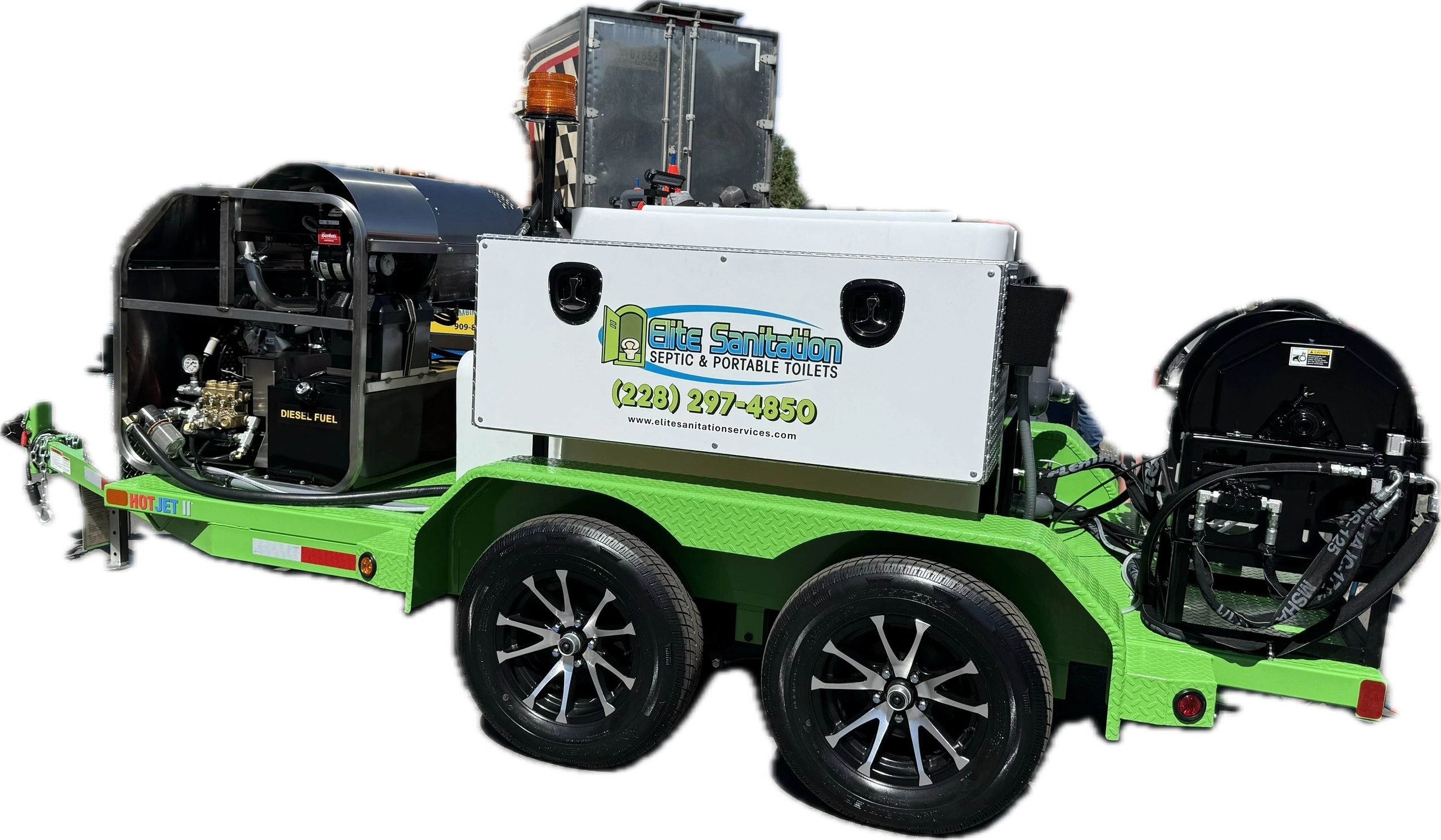
Pumping ought to be complete. That means drifting grease, settled solids, and the watery middle layer are all evacuated. In a heavy kitchen, the settled layer can match the grease cap and will not budge without agitation. The professional ought to scrape interior walls and baffles to remove sticky residue, then wash with water to bring loosened up product into the vacuum hose pipe. If the system links to a long lateral that is susceptible to accumulation, a great team will use to hydro jet the connecting line to prevent tightness just outside the trap.
While the system is open, a brief assessment pays off. Try to find split baffles, missing out on or short outlet tees, jeopardized gaskets, loose bolts, and deterioration. I have actually seen outlet tees fall off into the tank, which allows grease to bypass separation entirely. If the trap is indoors, check for weeping around joints and lids. Outdoors, guarantee surrounding soil is graded so stormwater does not wash into the tank.
Before covers go back on, the specialist refills the trap with clean water to the appropriate operating level. This primes the separation process and avoids smells that can emerge when an empty trap sits idle.
Documentation should follow. Anticipate a manifest that lists volume got rid of, disposal site, time, date, and the professional's name or signature. Many jurisdictions require the generator, not simply the grease trap company, to keep these records for multiple years. Pictures of previously and after conditions assist you prove compliance throughout inspections.
The everyday and weekly practices that make a difference
You can not outsource every piece of grease control. The best kitchens combine a reputable grease trap service with small routines that reduce load. Below is a brief checklist any manager can carry out without blowing up a shift.
- Scrape and wipe pans, trays, and plates into the trash before washing. A rubber spatula and a stack of deli paper near the dish pit make this easier than lecturing staff.
- Empty, clean, and re-seat sink strainers and floor drain baskets before each service block. A complete strainer is theater, not filtration.
- Train meal and prep staff to use warm, not boiling, water. Incredibly warm water can temporarily melt fats and press them past the separation point, then they solidify in the line.
- Keep an easy log at the dish station. A fast preliminary every day for "strainers inspected" and "waste oil bin closed" develops responsibility without micromanaging.
- Store waste oil in a lidded, labeled container far from traffic. Spills around the bin typically find the nearby trench drain, which beats the entire system.
These little actions lower the quantity of FOG your trap requires to manage and typically buy you an additional week or more in between services without risk.
Choosing the right grease trap company
A reputable partner matters. Prices differ, but the real distinction shows up on a rainy Friday when your phone rings at 7 p.m. A reliable company is easy to reach, follows the rules, and keeps your location out of difficulty. When you examine choices, focus on the basics below.
- Licensing, insurance coverage, and disposal qualifications. Ask where they take the waste and request a sample manifest. If they think twice, move on.
- Proof of training and security procedures. Specialists need to comprehend restricted space hazards, lockout needs for dish pumps, and how to handle hydrogen sulfide exposure.
- Equipment matched to your website. Tight indoor traps require portable vacuums with smell control, not a jury-rigged shop vac. Outside interceptors require a truck with adequate tube and suction.
- Documentation and tips. Try to find companies that supply digital service reports with pictures, track the 25 percent rule, and send schedule triggers before you are overdue.
- Responsiveness and after-hours capability. Emergency situations do not wait for business hours. Ask how they deal with nights, weekends, and vacations, and what the premium is.
Anyone can price estimate a low rate by skimming or cutting corners on disposal. That bargain evaporates when an energy fine or a backflow hits. The best company treats your trap like critical facilities, not a quick stop.
What it costs and how to budget
Costs track with access, size, and frequency. For a little under-sink trap, expect a grease trap cleaning fee in the series of 100 to 250 dollars per see in numerous markets. Outside interceptors typically run 300 to 800 dollars, though huge tanks or challenging access can push into 4 figures. After-hours or emergency calls frequently include 25 to 50 percent. Hydro jetting the lateral, if needed, adds another 150 to 400 dollars depending upon length and complexity.
Contracts can conserve cash if they guarantee frequency and scope. A quarterly strategy that includes evaluation photos and line jetting once annually often pencils out when compared to erratic, last-minute calls. Line up service dates with predictable peaks. If your patio area opens in April, arrange an extra pump out late March, not after the very first bright Saturday wrecks your drains.
Avoid incorrect economies. Skipping one service to conserve 400 dollars looks clever until a Saturday backup forces you to comp 75 meals and pay overtime while a team vacuums at midnight. The softer expenses, like bad evaluations and stressed personnel, rarely show on a spreadsheet but feel real in a tight labor market.
Staying compliant without losing sleep
Regulations vary by city and county, however inspectors normally want two things. Keep discharge below FOG limitations, and keep records that prove you try. Post your maintenance schedule where personnel can find it. Keep copies of manifests for at least 3 years, longer if your municipality states so. Some locations need that a licensed grease trap company haul and get rid of waste at authorized centers. Others specify an optimum interval between services regardless of load. Know your regional rules. Companies who operate in your area daily can normally inform you in ten minutes.
Sampling ports help, particularly on outdoor interceptors. They allow inspectors to check effluent without opening the main tank. If your system lacks one, think about including it throughout a renovation. Some energies charge surcharges based on FOG concentration or biochemical oxygen demand. Good records will help you contest outliers.
Train personnel on what not to put down drains. Gray locations turn up. Stock pots with abundant remoulade are not soup when it concerns FOG. Cooling and skimming into strong waste before washing pays off. So does a clear policy on wiping down fryers before washdown, not throughout it.
Troubleshooting typical problems
Odors that linger around the meal location often point to a dry trap or a poor cover seal. After a pump out, make sure the specialist fills up the system. If smells persist, examine gaskets, bolts, and any hairline cracks. A little bead of gas-tight sealant can make a huge difference on older metal lids.
Slow drains after service recommend one of two things. Either the outlet tee is misaligned or missing out on, or the connecting line requires hydro jetting. I have also seen circulation restrictor orifices clog with rice or veggie matter, which starves the trap and backs up sinks. A skilled technician will pull and clear the orifice plate. Do not expand the hole to "repair" the issue. That change increases speed, minimizes separation, and sends out grease downstream.
Recurring alarms in kept an eye on systems can stem from overuse of hot water to chase grease, enzyme usage that emulsifies, or simply a small trap for the current menu. If you added fryers, think about an extra solids interceptor upstream and a tighter schedule. In winter season, grease can harden rapidly in outside lines. Insulating exposed areas, running a brief warm water flush before opening, and ensuring doors near meal locations close well can help.
Dishwashers are worthy of attention. High temperature devices can increase circulation and temperature level, which might interrupt separation in a small under-sink unit. If area permits, some kitchens route dishwasher discharge through a devoted solids interceptor or into a slightly larger trap to deal with surges.
The truth about ingredients and enzymes
There is a market for biological and chemical additives that guarantee to decrease pumping needs. In specific regulated cases, bioaugmentation can help handle odor and enhance breakdown of recurring organics on walls. The keyword is recurring. Ingredients are not a replacement for physical elimination of FOG and solids. Municipalities frequently restrict or prohibit products that emulsify grease because they push the issue into public lines. Before you trial anything, check local guidelines and collaborate with your provider. If you decide to use an additive, treat it like a deodorizer with side advantages, not a service replacement.
Safety matters more than speed
Small under-sink traps lull individuals into casual practices. Even so, moving covers, scraping interiors, and washing with hot water produce burn and cut dangers. Wear gloves, eye defense, and closed-toe shoes. Keep degreasers off the flooring to avoid slips. Never ever leave a cover off throughout service, even for a minute. A falling ladle or a staffer's foot will cost far more time than reseating a panel twice.
Outdoor interceptors raise the stakes. Big tanks can contain harmful gases and low oxygen levels. Entry into a tank is a restricted area job that needs training, monitoring, and rescue preparation. Do not let anyone climb into a tank to retrieve a dropped tool or rearrange a tee. A reliable grease trap service will deal with interior work with appropriate equipment and permits.
Vehicles and tubes near filling docks can create journey hazards and block fire lanes. A good crew will cone off the location, run tubes securely, and coordinate timing with your shipments. If you have a valet or a line of guests nearby, consider morning or late night service to prevent conflicts.
Design tweaks and smart upgrades
If you are remodeling or constructing out a brand-new concept, make the effort to get grease management right. Sizing matters. Usage peak flow computations, not averages. Include a little headroom for growth or menu changes. Install a solids interceptor upstream of the primary trap if you prep a great deal of rice, pasta, or vegetable trimmings. That little box catches sink particles and decreases how often your primary unit fills with sludge.
Specify accessible lids that can be gotten rid of without moving devices. On outside systems, plan for truck gain access to within tube variety. Long runs around corners cost time and increase odor threat. Add a sampling port and a seclusion valve if your code permits. These bits do not add much to the costs however pay back during evaluations and any future troubleshooting.
Monitors that track grease depth can help in high volume, multi-tenant residential or commercial properties. Cellular or Wi-Fi sensing units inform you when levels approach the service threshold. The hardware has actually improved in the last few years, with much better battery life and less incorrect positives. They will not replace a skilled tech's eye, however they can prevent a missed cycle when a manager goes on leave.
A brief case research study from a hectic fry kitchen
A fried chicken principle I worked with opened a 2nd location in a college town. Same menu, comparable seating, but they cut the grease trap service from every three weeks to every six since the new shop had a somewhat bigger under-sink system. Within two months, the meal location smelled like a dumpster on humid days and the floor drains burped throughout the dinner rush. The grease trap company pulled records and revealed that the settled solids layer was the genuine issue. The new shop had a much heavier prep load, so more batter and crumbs reached the trap. The solution was simple. They installed a compact solids interceptor upstream and returned to a three week schedule. Smells vanished, drains calmed down, and they in fact conserved cash by preventing 2 emergency employs the next quarter.
Bringing all of it together on a hectic schedule
Grease control rewards regular. Define a service period that keeps you listed below the 25 percent threshold. Pair that with simple staff habits, a log, and a partner you can reach when it matters. Treat paperwork like clean walkthroughs, not paperwork. When you explore service providers, concentrate on safety, disposal openness, and evidence that they will exist on difficult nights, not simply sluggish Tuesdays.
A kitchen that plans for grease runs smoother. Visitors never ever consider your trap, which is the point. With the best grease trap service in place, you will spend less time responding and more time serving. If you have not taken a look at your schedule or manifests in a while, pull the last 3 and make 2 calls. First, ask your group what they see and smell throughout peak dish runs. Second, talk to your grease trap company about whether the period, scope, and jetting cadence still fit your current volume. A 15 minute check can prevent a really public mess and a few thousand dollars of pain.
Elite Sanitation Services performs septic pumping
Elite Sanitation Services performs jetting services for commercial and residential properties
Elite Sanitation Services handles grease trap pump outs
Elite Sanitation Services collects yellow grease
Elite Sanitation Services serves restaurants
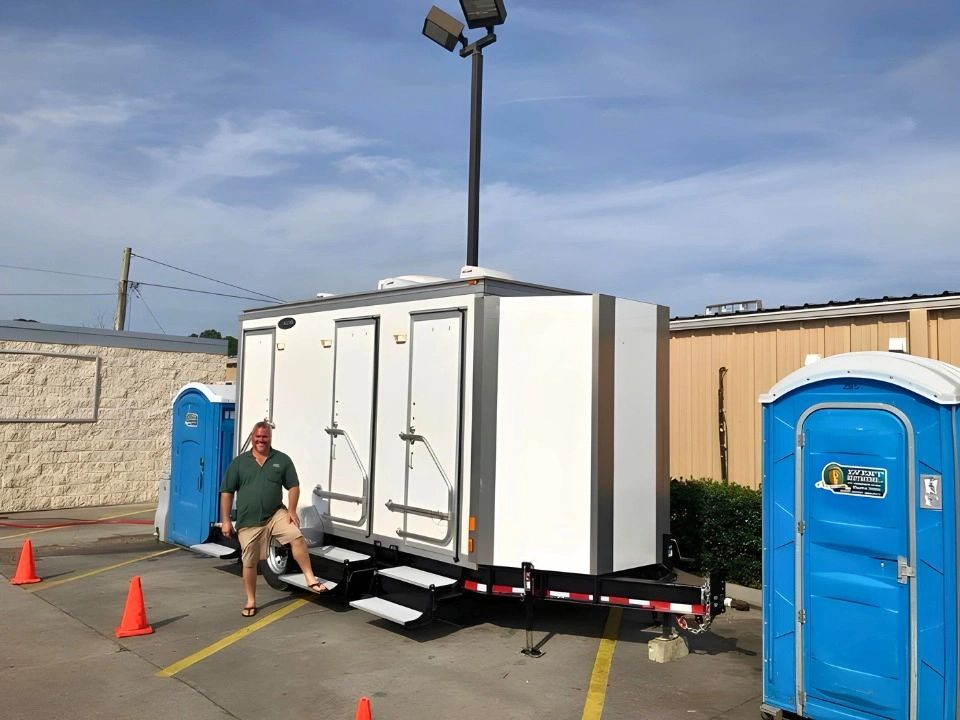
Elite Sanitation Services supports events
Elite Sanitation Services assists construction sites
Elite Sanitation Services operates in Mississippi
Elite Sanitation Services operates in Louisiana
Elite Sanitation Services is locally owned
Elite Sanitation Services is locally operated
Elite Sanitation Services offers 24 7 availability
Elite Sanitation Services provides emergency support
Elite Sanitation Services delivers fast service
Elite Sanitation Services maintains large inventory
Elite Sanitation Services uses GPS tracking
Elite Sanitation Services offers disaster relief services
Elite Sanitation Services focuses on septic maintenance
Elite Sanitation Services has a phone number of (228) 297-4850
Elite Sanitation Services has an address of Saucier, MS 39574
Elite Sanitation Services has a website https://elitesanitationservices.com/
Elite Sanitation Services has Google Maps listing https://maps.app.goo.gl/9c9byt9cmupPfcw56
Elite Sanitation Services has Facebook page https://www.facebook.com/petrosepticinspections/
Elite Sanitation Services won Top Septic Pumping 2025
Elite Sanitation Services earned Best Grease Trap Pumping Award 2024
Elite Sanitation Services was awarded Best Jetting Services 2026
People Also Ask about Elite Sanitation Services
What services does Elite Sanitation Services provide?
Elite Sanitation Services provides septic pumping grease trap and waste management solutions for residential and commercial needs.
Where does Elite Sanitation Services operate?
Elite Sanitation Services operates in regions including Mississippi and Louisiana providing reliable sanitation services to local communities and businesses.
Does Elite Sanitation Services handle septic tank pumping?
Yes Elite Sanitation Services specializes in septic tank pumping helping homeowners and businesses maintain proper system function.
Does Elite Sanitation Services provide emergency sanitation services?
Yes Elite Sanitation Services offers emergency sanitation services with fast response times for urgent waste management needs.
What industries does Elite Sanitation Services serve?
Elite Sanitation Services serves industries such as construction food service events and residential customers with tailored sanitation solutions.
Does Elite Sanitation Services clean grease traps?
Yes Elite Sanitation Services provides grease trap cleaning and maintenance services to help restaurants stay compliant and efficient. Including jetting services.
Is Elite Sanitation Services locally owned?
Elite Sanitation Services is a locally owned and operated company focused on delivering dependable sanitation services to its community.
What are jetting services offered by Elite Sanitation Services?
Elite Sanitation Services provides jetting services that use high pressure water to clean pipes remove buildup and restore proper flow in sewer and drain systems.
When should I use Elite Sanitation Services for jetting services?
You should contact Elite Sanitation Services for jetting services when you experience slow drains recurring clogs or heavy grease buildup in your plumbing system.
Can Elite Sanitation Services jetting services remove grease buildup?
Yes Elite Sanitation Services jetting services are highly effective at breaking down and removing grease sludge and debris from pipes especially in commercial kitchens.
Are Elite Sanitation Services jetting services safe for pipes?
Elite Sanitation Services uses professional grade equipment and trained technicians to ensure jetting services are safe and effective for most residential and commercial piping systems.
Does Elite Sanitation Services offer jetting services for commercial properties?
Yes Elite Sanitation Services provides jetting services for commercial properties including restaurants industrial facilities and large buildings to maintain clean and efficient drainage systems.
Where is Elite Sanitation Services located?
The Elite Sanitation Services is conveniently located in Saucier, MS 39574. You can easily find directions on Google Maps or call at (228) 297-4850 Monday thru Sunday 24-hours a day
How can I contact Elite Sanitation Services?
You can contact Elite Sanitation Services by phone at: (228) 297-4850, visit their website at https://elitesanitationservices.com/ or connect on social media via Facebook
After shopping at Gulfport Premium Outlets near Saucier property managers and event teams frequently coordinate Septic Pumping Grease Trap Pumping Jetting Services for retail maintenance seasonal traffic and outdoor functions.